
THE SHORT ANSWER
Most of the extra fuel a Genesis burns goes to habits rather than the car itself: long warm-ups, hard starts, low tires and extra weight. Drive smoothly, use Eco mode and cruise control where they fit, run the fuel grade your owner's manual calls for, and keep routine service on schedule.
It's a cold January morning in Hicksville, the windshield is frosted over, and you start your Genesis ten minutes early so it can warm up before the drive to the LIE. Most of us picked up habits like that from a parent or a neighbor, and plenty of them quietly cost fuel. At Genesis of the North Shore, owners ask us about gas mileage all the time. Here are the most common beliefs, sorted into what holds up and what doesn't.
IN THIS POST
Myth: Your engine needs a long warm-up
Letting the car idle in the driveway feels like the responsible thing to do on a winter morning. It made sense decades ago, when carbureted engines stumbled until they came up to temperature. Modern fuel-injected engines adjust the fuel mixture on their own and are ready to drive gently within about 30 seconds.
Idling is the least efficient thing your engine does, because it burns fuel while taking you nowhere. An engine also warms up faster under a light load than it does sitting still, so cabin heat actually arrives sooner once you're rolling.
What to do instead
- Start the car, buckle up, set your mirrors and pull out.
- Drive easy for the first few minutes, with no hard acceleration onto Route 107 or the Northern State.
- Use the heated seats and steering wheel, if your Genesis has them, to stay comfortable while the cabin catches up.
- Clear snow and ice before you start the engine, not while it idles.
Remote start is a comfort tool for brutal mornings, not a daily ritual. A minute of defrost is reasonable; ten minutes of idling is fuel you'll never get back.
Myth: Quick starts get you there faster
Picture Old Country Road on a Saturday: the light turns green, a gap opens, and the urge is to jump into it. That burst of throttle takes a lot of fuel to build speed, and two lights later you're stopped next to the same car you passed. Hard acceleration and hard braking are among the biggest drains on mileage in local driving, and they save far less time than they feel like they do.
Your Genesis is quick and responsive, which makes this habit easy to fall into. Smooth driving mostly comes down to looking farther ahead.
- Ease off the gas early when you see a red light or brake lights ahead, and let the car coast.
- Accelerate briskly but progressively, rather than flooring it from a stop.
- Leave more following distance so you aren't braking for every flicker of brake lights ahead.
- Learn the light timing on familiar routes like Jericho Turnpike, where rushing usually gets you nothing.
Coasting pays off even more in an electrified Genesis, because regenerative braking recaptures energy when you lift off smoothly. Using the regen paddles in traffic, you can often slow down without touching the brake pedal much at all.
Myth: Drive modes and cruise control are just gadgets
Most Genesis models let you choose a drive mode, and plenty of owners either leave the car in Sport because it feels lively or never touch the selector. Those modes change real things, like how sharply the throttle responds and, in many models, how the transmission picks gears. Eco or Comfort mode softens your inputs so the car doesn't overreact to a heavy right foot.
Cruise control, with a catch
On a clear stretch of the LIE at off-peak hours, cruise control holds speed more evenly than most of us can, and that consistency saves fuel. Smart Cruise Control, which adjusts to the car ahead, helps in moderate traffic too, since it speeds up and slows down more gradually than a distracted driver would.
It isn't the right tool everywhere. On rolling roads, standard cruise will push hard to hold speed up a hill, where you might naturally let the car slow a little and recover on the way down. Your speed matters as well: aerodynamic drag climbs quickly as you go faster, so easing back a few miles per hour on the highway does more than most people expect. Settle in at a steady, sensible pace and let the car do the work.
Myth: Tires and cargo barely affect mileage
Tires are where a lot of fuel quietly disappears. When pressure runs low, more of the tread flattens against the road, and the engine works harder to keep you moving. Long Island winters make it worse, since pressure drops roughly a pound for every ten degrees the temperature falls. A car set correctly in October can be noticeably low by January.
How to stay on top of it
- Check pressure monthly with a simple gauge while the tires are cold, before you've driven far.
- Use the pressure on the sticker inside the driver's door jamb, not the maximum number molded into the sidewall.
- Don't wait for the warning light, which typically comes on only when a tire is well below where it should be.
Extra weight and drag
Anything that makes the car work harder costs fuel the same way. Roof racks and cargo boxes left on after a summer trip add drag at highway speed, so take them off when you're done. Golf clubs, sports bags and that case of water rolling around in back add weight you haul on every errand. Clearing out the cargo area is the cheapest fuel upgrade there is.
Myth: Higher-octane fuel or additives boost mileage
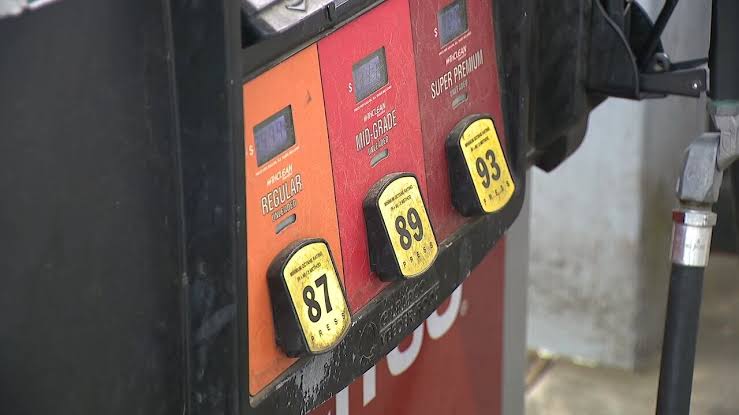
At the pump, it's tempting to think the priciest grade must be better for the car, or that a bottle of additive will squeeze out extra miles. Octane measures resistance to engine knock, not how much energy is in the fuel. Running a higher grade than your engine is designed for won't improve mileage.
That cuts both ways. Some Genesis engines, especially turbocharged ones, are tuned around a specific grade, and dropping below it can cost you performance and efficiency as the engine adjusts its timing to protect itself. The fuel recommendation in your owner's manual is the source worth trusting here, not a friend's advice or whichever pump happens to be cheapest.
As for additives, quality gasoline from a busy station already contains detergents. Many bottles on the shelf promise more than they deliver, and some aren't meant for modern direct-injection engines at all. Put that money toward keeping the car properly maintained instead.
One small habit is worth adopting: stop filling once the nozzle clicks off. Topping off can push fuel into the evaporative system and waste what you just paid for.
Myth: Saving fuel costs money and time
Good news first: most of what saves fuel is free. Leaving a little earlier so you're not racing, coasting toward lights, checking your tires and emptying the trunk cost nothing but attention. Small habits kept up consistently add up over a year of commuting far more than any single trick.
When maintenance pays off
Routine service done on time is where a little spending helps. A clogged engine air filter, worn spark plugs on higher-mileage engines, tired tires and overdue oil changes can all chip away at efficiency. Alignment counts too, because a car knocked out of line by a Long Island pothole drags its tires and wears them unevenly. Follow the maintenance schedule in your owner's manual rather than waiting for something to feel off.
Finding the time is usually the hard part, so make it easy on yourself. You can book service online in a few minutes, and Genesis of the North Shore offers loaner or shuttle options, plus valet pickup and drop-off, so a visit doesn't have to eat your day. Pair a tire rotation with your next oil change and ask for a pressure and alignment check while the car is in.
Where
430 Plainview Rd
Hicksville, NY
Hicksville, NY
Call
KEY TAKEAWAYS
- Skip the long idle and drive gently for the first few minutes instead.
- Smooth acceleration, early coasting and a steady highway pace save the most fuel.
- Check tire pressure monthly, clear out extra weight and keep maintenance on time.
|
FAQ
Common questionsIs it better to run the AC or open the windows to save fuel?Around town at lower speeds, open windows are fine and use little extra fuel. On the LIE or the parkways, open windows create drag, so the air conditioning is usually the better choice. Using recirculate once the cabin cools helps the system work less.
How often should I check my tire pressure?Once a month and before any long trip, with the tires cold. Check more often as the weather turns in fall and winter, since pressure drops as temperatures fall. Set it to the number on the driver's door jamb sticker.
Do these tips apply to an electrified Genesis?Yes. Smooth acceleration, early coasting, correct tire pressure and less extra weight all stretch your driving range. In winter, warm the cabin while the car is still plugged in so the heat comes from the charger rather than the battery, and use the regen settings to recapture energy in stop-and-go traffic.
|
|
Ready to get started?
Or call (516) 265-1880 · 430 Plainview Rd, Hicksville
|
Categories:
News
