
THE SHORT ANSWER
A smoother Hicksville commute comes from timing your departures, building simple parking and winter routines, and treating short stop-and-go trips as the hard driving they are. Follow the severe-service maintenance schedule, watch your brakes and tires, and keep a small kit in the car so a bad day stays manageable.
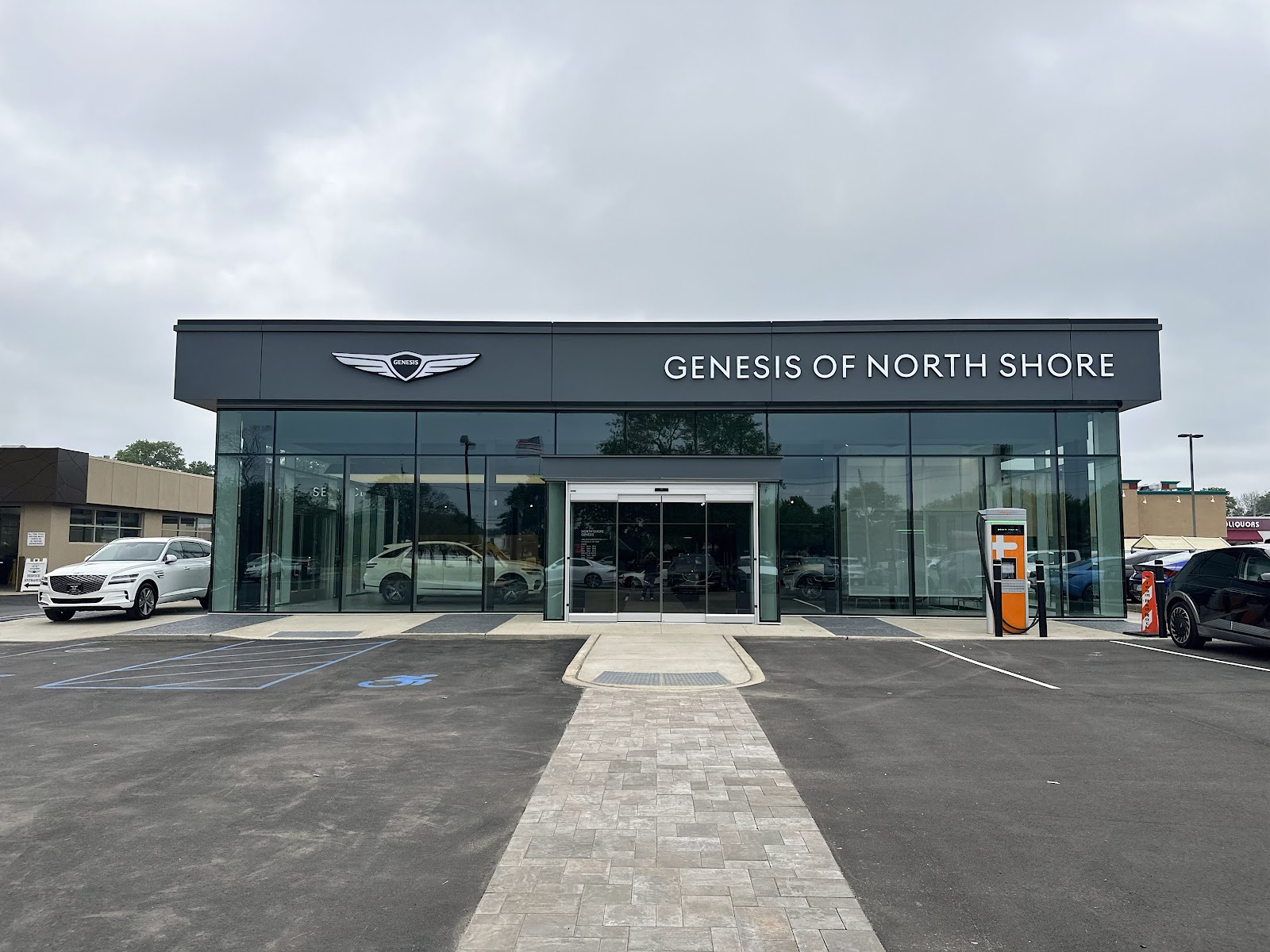
The most common mistake commuters make is assuming a short drive is an easy one for the car. In and around Hicksville, many daily trips are brief, stop-and-go runs that wear on engines, brakes and batteries faster than a long highway cruise. At Genesis of the North Shore, we see the results in the service lane. Here are nine practical points to make your commute smoother and keep your car healthier.
IN THIS POST
- 1. Treat a short commute as hard driving
- 2. Time your departure, not just your route
- 3. Build a parking routine for the station or the office
- 4. Watch your brakes and tires closely
- 5. Let driver-assistance features help, but stay in charge
- 6. Learn the weekend and after-school rhythm
- 7. Prepare for winter mornings
- 8. Keep a commuter kit in the car
- Key takeaways
1. Treat a short commute as hard driving
Most owner's manuals split maintenance into a normal schedule and a severe-service schedule. Many Hicksville commuters belong on the severe side without realizing it. Short trips, frequent stops and long idling in traffic are classic examples of the conditions that call for it.
Here's why it matters. An engine that never fully warms up lets moisture and fuel residue linger in the oil. A battery that only gets a few minutes of charging per trip can slowly lose ground, especially in cold months. None of that shows up as a warning light right away, which is exactly why it gets missed.
What to do:
- Find the severe-service intervals in your manual and follow those for oil and filters.
- Take a longer drive now and then so the engine and battery get a full cycle.
- Ask for a battery test at a fall service visit, before the first cold snap.
At Genesis of the North Shore, our service technicians focus on Genesis vehicles and use genuine OEM parts. If you're not sure which schedule fits your driving, book a service visit and ask. It's a quick conversation that can save your engine a lot of wear.
2. Time your departure, not just your route
Navigation apps are good at showing you the fastest path right now. They're less helpful at telling you that leaving ten minutes earlier might trim your drive more than any shortcut. Commute traffic around Hicksville tends to build in waves, and small shifts in departure time often matter more than route changes.
Try a simple experiment over two weeks. Leave at your usual time for one week, then shift earlier or later for the next. Jot down how long each trip takes door to door. Patterns show up quickly, and you'll have your own numbers instead of a guess.
A few things throw the usual rhythm off:
- School calendars. Traffic often eases during breaks and tightens again when classes resume.
- Weather. Rain alone can slow everything, and the first snowy morning of the season is usually the worst.
- Holiday weeks, when shopping traffic mixes with commuters.
Once you know your windows, set your app to alert you about delays before you leave, not after you're already in the car. Checking from the kitchen gives you options. Checking at a red light only gives you stress.
3. Build a parking routine for the station or the office
If your commute includes a train or a shared lot, the drive is only half the trip. Lots near busy stations tend to fill early, and hunting for a spot can eat whatever time you saved by leaving on schedule.
A few habits make it smoother:
- Back into the space when you can. Pulling out forward at night, with people walking around, is easier and safer.
- Note your row or snap a photo. After a long day, one row looks like any other.
- Stow bags, laptops and chargers out of sight before you arrive, not while you're standing in the lot.
- Fold your mirrors if your car allows it, to lower the odds of a scrape in tight rows.
If your car sits all day
A vehicle parked from early morning to evening deals with heat in summer and frost in winter. In warm months, a windshield shade protects the dashboard and keeps the cabin bearable. Starting cold after a long sit is also one more reason that battery test from point one is worth doing. Getting home without surprises mostly comes down to these small routines.
4. Watch your brakes and tires closely
Stop-and-go driving is hard on brakes. Pads wear faster, rotors heat and cool over and over, and tires scrub a little with every start and stop.
Listen and feel for the early signs:
- A high-pitched squeal when braking, often a wear indicator doing its job.
- Grinding, which means it's time to stop putting it off.
- A pedal that feels softer or travels farther than it used to.
- Vibration through the wheel or pedal when slowing down.
Tires deserve attention too. Check pressure monthly while they're cold, using the number on the driver's door jamb. The number molded into the sidewall is a maximum, not a target. Uneven wear on the inner or outer edges can point to alignment trouble, which potholes after a rough winter are known for causing.
Regular rotations keep wear even and help tires last longer. When replacement time comes, matching parts to your specific vehicle matters, and the Genesis parts department can help you find the right ones. Our service work runs from oil changes and rotations to diagnostics and major repairs, so brakes and tires can be checked in the same visit.
5. Let driver-assistance features help, but stay in charge
Many newer vehicles include adaptive cruise control that follows the car ahead and, on some systems, can come to a stop and resume. Lane-centering and blind-spot monitoring add another layer. In heavy commuter traffic, these tools can noticeably cut down on fatigue.
They work best when you understand their limits. Read the part of your owner's manual that explains when each feature switches off, how it behaves in rain or low sun, and what the alerts mean. Drivers who never learn why a system disengaged often stop trusting it altogether.
Keep the sensors clean
Cameras and radar sit behind the windshield, in the grille and in the bumpers. Road salt, slush and summer bugs can block them, and a dirty sensor may shut a feature off right when you want it. A quick wipe at fill-ups goes a long way.
Most important, these systems assist; they don't drive. Keep your hands on the wheel and your eyes up, especially where traffic merges or people cross near busy shopping areas. If a feature ever behaves oddly, mention it at your next service visit so it can be checked.
6. Learn the weekend and after-school rhythm
Commuting isn't only weekday mornings. Hicksville has popular family spots that shape traffic at times you might not expect, and knowing when they're busy helps you plan errands and pickups.
- Cantiague Park draws crowds on nice weekends and during youth sports seasons.
- Round1 Bowling & Arcade - Hicksville and Chuck E. Cheese get busy on weekend afternoons, school breaks and birthday-party hours.
- Hicksville Gregory Museum and Cpl. Kevin T Kolm Memorial Park attract families, so expect more cars and kids on foot nearby.
Around any of these, slow down and watch for children stepping out between parked cars. Parking lots are where plenty of low-speed scrapes happen, so take a spot farther out if it means an easier exit.
For errands, early weekend mornings are usually calmer than mid-afternoon. If you're picking someone up after a party or practice, arriving a few minutes early often beats joining the line right at the end time. It sounds minor, but it's the difference between a relaxed Saturday and one spent idling in a lot.
7. Prepare for winter mornings
Cold weather turns a routine commute into a test of your car's weakest parts. Batteries struggle, wipers streak, and tires lose pressure as temperatures drop, which makes that monthly check from point four even more useful.
Before the season turns:
- Replace worn wiper blades and switch to a winter-rated washer fluid.
- Check tread depth, and consider dedicated winter tires if your schedule doesn't bend for snow days.
- Make sure the defroster and rear defogger both work.
- Keep a scraper, a brush and a small shovel in the car.
On icy mornings, clear the whole car, roof included. Snow sliding off the roof can blind you at the first stop, and it's a hazard for drivers behind you. Give yourself extra minutes so you're not tempted to drive off peering through a small hole in the frost.
If your vehicle offers remote start or heated seats and steering wheel, learn how to trigger them from your phone or key fob. Warming the cabin before you leave helps clear the glass, and a clear windshield matters more than a warm seat. Just never warm up a car inside a closed garage.
8. Keep a commuter kit in the car
A few inexpensive items turn a bad day on the road into a manageable one. Store them in a small bin so they don't slide around or rattle.
- A phone charging cable and an adapter that fits your car's outlets.
- A flashlight with fresh batteries.
- Jumper cables or a portable jump starter.
- A basic first-aid kit, gloves and a reflective vest.
- Water and a snack for long delays.
- An umbrella and a spare layer.
Paperwork and phone setup
Keep your registration and insurance card where you can reach them without unbuckling. Save your roadside assistance number in your phone, and use a hands-free mount so navigation sits at eye level instead of in your lap. Pairing your phone with the car before you leave the driveway keeps your hands off it in traffic.
Once a season, go through the kit. Batteries die, snacks go stale, and things borrowed for weekend outings have a way of not coming back. A quick seasonal check keeps everything ready for the day you actually need it.
Where
430 Plainview Rd
Hicksville, NY
Hicksville, NY
Call
KEY TAKEAWAYS
- Short, stop-and-go trips count as hard driving, so follow the severe-service schedule in your manual.
- Small changes in departure time usually beat any shortcut.
- Simple habits like clean sensors, a commuter kit and winter prep prevent most commute headaches.
|
FAQ
Common questionsHow do I know if I should follow the severe maintenance schedule?Check your owner's manual for the conditions it lists. If most of your trips are short, you sit in a lot of stop-and-go traffic, or the car spends long stretches idling or parked in cold weather, the severe schedule is usually the safer choice. Our service team can look at how you drive and help you decide.
How often should I check my tire pressure as a commuter?Once a month and before any longer trip is a good habit, with extra attention when temperatures drop. Check while the tires are cold, and use the pressure on the driver's door jamb rather than the maximum printed on the tire.
Can I start a financing application before I visit?Yes. Genesis of the North Shore offers online financing applications along with loan and lease options, so you can get started from home. Approval and terms depend on your credit and the lender, and nothing is final until you review and sign.
|
|
Want to see it in person?
Browse what is on the lot right now, or come by and see it in person.
Or call (516) 265-1880 · 430 Plainview Rd, Hicksville
|
Categories:
News
