
THE SHORT ANSWER
Maintain your Genesis GV80 by following its scheduled service plan, checking a few basics between appointments, and responding promptly to warning signs. Start by tracking mileage and time, keep service records together, and ask for a written explanation before approving repairs.
$58,850
Starting MSRP
26 mpg
EPA highway
375 hp
Up to, horsepower
2027 Genesis GV80, from its published specifications.
IN THIS POST
1. Avoid the Most Common Maintenance Mistakes
The most common mistake is waiting for a warning light before scheduling service. Warning messages are useful, but they often appear after a condition has already developed. Use your owner’s manual and vehicle reminders as the starting point, then arrange service before a missed maintenance item turns into a larger repair.
Another mistake is treating every drive the same. Frequent short trips, heavy traffic, dusty roads, towing, extreme temperatures, and long periods of idling can place different demands on the vehicle than steady highway travel. Tell your service advisor how you actually use your GV80 so the inspection can focus on areas that fit your driving pattern.
Keep a record of oil services, tire rotations, brake inspections, battery work, software updates, and repairs. That history helps you avoid unnecessary duplication and gives the technician useful context if a concern returns. Consistent recordkeeping is especially helpful when several months pass between visits or when more than one driver uses the vehicle.
2. Build a Simple Between-Visit Check
Start with the tires. Check pressure when they are cold and compare it with the value shown on the driver’s door-area label, not a guess based on appearance. Look for uneven wear, nails, sidewall damage, or a tire that repeatedly loses pressure; those signs can point to a puncture, alignment concern, or suspension issue.
Next, walk around the vehicle before a longer trip. Confirm that exterior lights work, the windshield has a clear view, the wipers clean rather than smear, and mirrors or cameras are not blocked by dirt or ice. Check beneath the vehicle for fresh spots, but don’t touch an unknown fluid or continue driving if you see a significant leak.
Pay attention to changes in braking, steering, ride quality, and engine behavior. A new vibration, pulling sensation, grinding sound, burning smell, delayed response, or repeated warning message deserves a service appointment. Small changes are useful clues, so note when they occur, such as during cold starts, turns, braking, or highway driving, and share those details with the technician.
3. Follow the Scheduled Service in Order
Use the GV80’s maintenance schedule as your roadmap rather than relying on memory. Routine visits commonly involve oil and filter service, tire rotation when appropriate, inspection of brakes and suspension, fluid checks, and a review of lights, wipers, belts, hoses, and other wear items. Exact requirements can vary by model year, engine, mileage, time, and driving conditions, so confirm the next interval in your owner’s materials or with a Genesis service advisor.
Ask what is due now and what can wait until the next planned visit. That question separates routine maintenance from repairs prompted by a current symptom. It also gives you a clearer picture of upcoming work without approving services you do not yet need.
Software and electronic systems deserve attention, too. If the vehicle displays a system message, behaves differently after an update, or has a concern involving cameras, driver assistance, navigation, or connectivity, mention it when you schedule. Diagnostics may be needed before a technician can identify the cause, and a clear description of the problem can make that process more efficient.
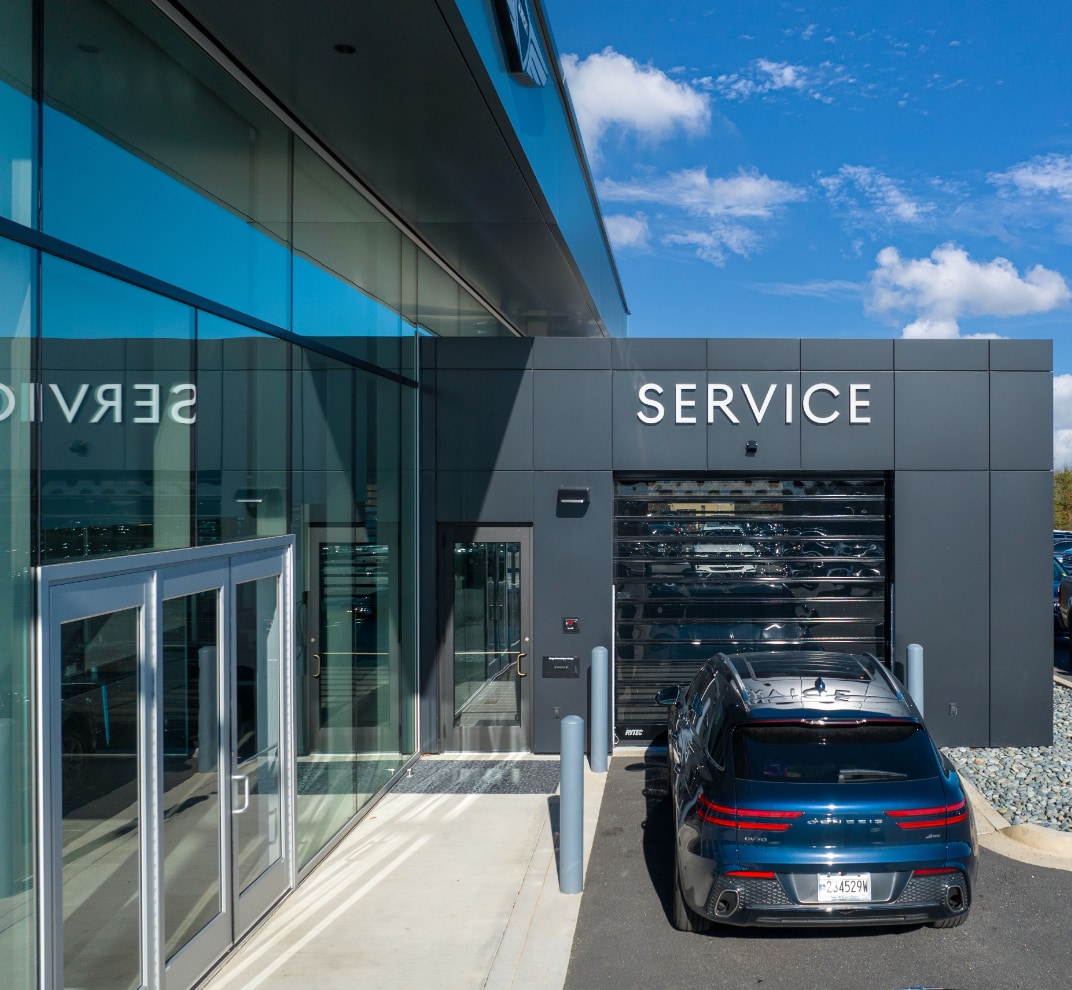
Genesis of the North Shore offers service ranging from oil changes and rotations to diagnostics and major repairs. Bring your maintenance records and a list of concerns so the visit covers both the scheduled work and anything you have noticed.
4. Prepare for the Appointment
Before booking, write down the vehicle’s current mileage, any warning messages, and the conditions that trigger a symptom. Note whether the issue occurs only when the GV80 is cold, after sitting overnight, at certain speeds, while braking, or when using a particular system. Specific details are more useful than saying the vehicle simply “feels different.”
Ask whether the appointment includes a multipoint inspection and what the technician will review. You can also request that recommendations be separated into immediate safety concerns, maintenance due soon, and items to monitor. This makes it easier to choose a sensible order of work without losing track of lower-priority needs.
Plan for transportation before you arrive. Genesis of the North Shore has loaner/shuttle and valet pickup and drop-off available, so ask which option fits the appointment and whether advance scheduling is needed. Remove personal items from the cabin and cargo area, keep the key accessible, and leave any wheel-lock key or special instructions with the vehicle if the service requires them.
Before work begins, confirm the requested services and how you will be contacted if additional repairs are found. A clear approval process helps prevent confusion and gives you a chance to understand the reason for any recommendation.
5. Plan Timing and Cost Before Approving Work
Maintenance timing should be handled in two ways: follow the scheduled mileage or time interval, and respond sooner when a symptom appears. Do not postpone a warning message, fluid leak, brake concern, damaged tire, or change in steering until the next routine visit. Safety-related findings take priority over cosmetic or convenience items.
Cost depends on what the vehicle needs, how much wear has occurred, and whether a concern requires diagnosis before repair. Routine maintenance is easier to plan than an unexpected repair, so ask for the expected labor, parts, inspection, and diagnostic charges before authorizing additional work. If a technician finds more than one issue, request a written estimate with the recommended order and the reason for each item.
Timing can also vary. An oil service or rotation may fit a shorter visit, while diagnostics, electronic concerns, major repairs, or parts availability can extend the appointment. Ask how long the initial inspection should take and when you should expect an update rather than assuming every visit will follow the same schedule.
After service, review what was completed, what was found, and when the next visit is expected. Save the invoice, reset reminders only after the work is finished, and continue watching for the symptom that prompted the appointment. Good maintenance planning means knowing the next step, not simply waiting for the vehicle to ask for attention.
Where
430 Plainview Rd
Hicksville, NY
Hicksville, NY
Call
KEY TAKEAWAYS
- Track both mileage and time between services.
- Check tires, fluids, brakes, lights, and warning messages regularly.
- Ask for an inspection summary and written estimate before repairs.
|
FAQ
Common questionsHow often should I service my Genesis GV80?Use the maintenance schedule for your specific GV80 model year and follow both its mileage and time intervals. Arrange service sooner if you drive in demanding conditions or notice a warning message, leak, unusual noise, vibration, or change in braking or steering.
What should I check between service appointments?Check cold tire pressure, tread and sidewalls, exterior lights, wipers, visible leaks, warning messages, and changes in braking or steering. Record anything unusual and describe when it happens so the technician can investigate it efficiently.
Should I approve every item found during an inspection?Ask the advisor to separate urgent safety concerns, maintenance due soon, and items that can be monitored. Request a written estimate and an explanation of what could happen if a recommended repair is delayed before you decide.
Can I get transportation while my GV80 is being serviced?Genesis of the North Shore has loaner/shuttle and valet pickup and drop-off available. Ask about the available option when scheduling, since arrangements may depend on the type and length of the appointment.
|
|
Let us take care of it
Book online in a minute and pick a time that works for you.
Or call (516) 265-1880 · 430 Plainview Rd, Hicksville
|
Categories:
News
